1. Confirm the property is released
If police were involved, cleanup starts after they release the space. The owner or family can check with the agency.
Ingram, PA · Allegheny County
Business owners in Ingram who find syringes in a restroom or storeroom can call (877) 812-4220. A cleanup team can remove sharps and residue and clean the room before it reopens.
If anyone is in danger, call 911 first. For a suicide crisis, call or text 988.
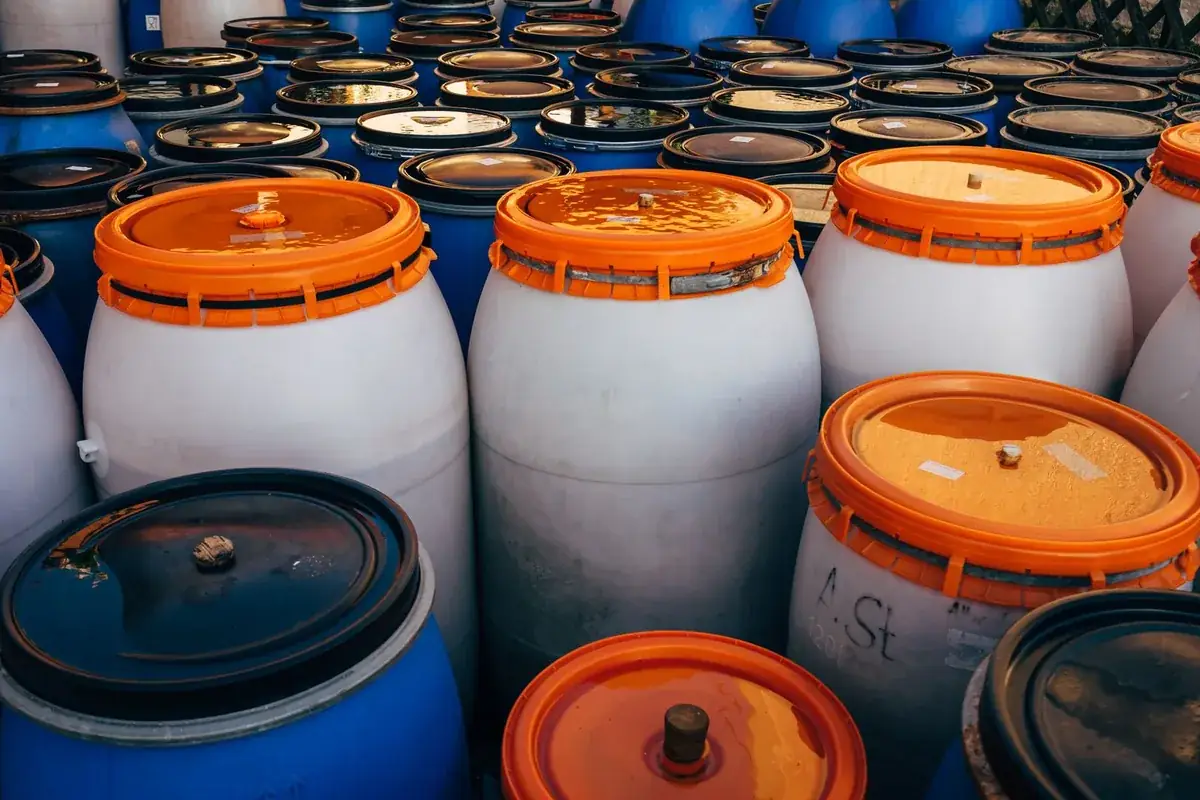
Syringe and drug item cleanup includes finding hidden sharps, lifting them with tools, sealing them in rigid containers and disposing of them as medical waste.
You do not have to remove paraphernalia and residue on your own in Ingram or anywhere in Allegheny County. Call Ingram Biohazard Cleanup Help for biohazard cleanup crews. Protective gear, sealed containers and EPA-registered disinfectants are part of every job.
Renters make up about 40% of households in Ingram, so landlords often need paraphernalia cleared between tenants. After a needle stick or exposure to an unknown substance, get medical care. Allegheny General Hospital in Pittsburgh is the closest emergency room to Ingram.
A typical drug paraphernalia cleanup job includes:
If police were involved, cleanup starts after they release the space. The owner or family can check with the agency.
Needles and other sharps are lifted and sealed before anything else is moved.
Surfaces are cleaned, and soft goods that could hold residue are removed.
Surfaces are disinfected, odors are treated, and a last walk-through confirms the space is ready.
The cost of drug paraphernalia cleanup in Ingram, PA depends on the amount of material, how it is packed and how it is hauled.
The number of rooms affected is a major factor. One bedroom needs less time than a whole house or a large rental unit.
| Type of job | Typical range |
|---|
These ranges come from published cost guides () and are not a quote for Ingram. Price drivers include amount of material, whether residue is present, surfaces affected, waste disposal. For a real number, call (877) 812-4220.
Crews wear protective gear, remove sharps and loose items, and then clean hard surfaces with EPA-registered disinfectants. Porous materials such as carpet, padding or upholstery that took in residue may be removed. The team can explain what applies to your space.
Do not touch, sweep or smell it, and do not try to clean it up first. Keep children and pets away. If anyone touched or swallowed it, call Poison Control, or 911 in an emergency. Then call a cleanup team to remove it safely.
It can. Once soiled items are removed, a team can treat lingering odor in the air and on surfaces. Ask what methods the team uses and whether odor treatment is part of the plan or a separate step.
A careful cleanup removes the items and cleans the surfaces it covers. Testing is a separate step, and rules vary by place. Ask the team what it did and did not check, and ask the local health department what applies where you live.
It can. Powders and stains may stay on floors, furniture, bedding and in vents after the items are gone. That is why a team cleans and disinfects the surfaces and removes soft materials that cannot be cleaned. Ask what the plan covers.
It is safer not to. You often cannot tell what an item or residue is, and hidden sharps are a risk. Do not mix cleaning products. A cleanup team has the protective gear and containers to do it safely, without judgment.
If anyone is hurt or unresponsive, call 911 first, then call for cleanup.
Call (877) 812-4220